

Travel often begins with detailed planning. Many people research destinations, reserve accommodations, and create daily schedules before leaving home. While structured trips can be efficient, they sometimes limit the sense of exploration that travel promises. Traveling without a fixed itinerary offers a different experience. Instead of following a strict schedule, travelers allow curiosity and circumstance to guide their journey. Plans remain flexible, and decisions happen day by day. This approach changes how people experience places, cultures, and even themselves. The absence of a rigid plan can feel unfamiliar at first. Yet many travelers discover that flexibility creates a deeper and more personal travel experience.
Embrace Uncertainty
The first feeling that often appears when traveling without a fixed itinerary is uncertainty. Without a clear plan for each day, travelers must rely on intuition and observation. At first, this lack of structure may feel uncomfortable. Many people are used to knowing exactly where they will go and what they will do. However, uncertainty gradually becomes part of the adventure. Instead of rushing to meet schedules, travelers start noticing opportunities that appear naturally. A local festival, a quiet café, or a scenic viewpoint might become the highlight of the day. Learning to embrace uncertainty encourages a sense of openness that structured travel sometimes lacks.
Freedom to Follow Curiosity

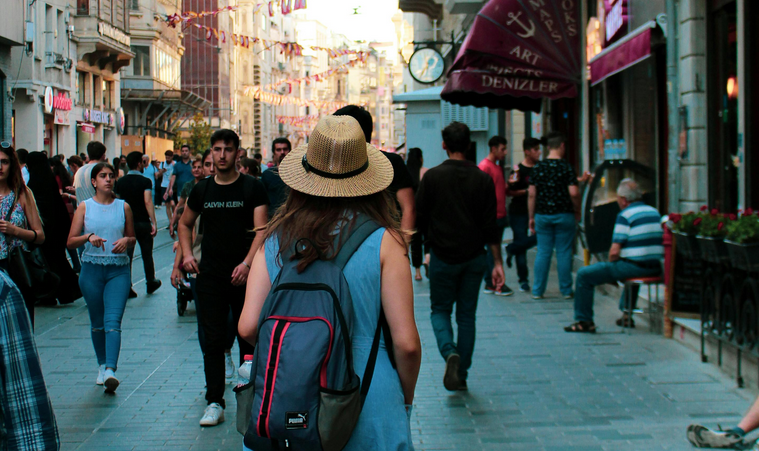
Travel without a fixed itinerary provides a strong sense of freedom. Travelers are not limited by prearranged plans or strict timelines. Curiosity becomes the main guide. If a particular neighborhood feels interesting, travelers can spend more time there. If a location does not meet expectations, they can simply move on. This freedom allows people to explore places at their own pace. They may wander through markets, talk with locals, or discover quiet streets that rarely appear in travel guides. Every day can unfold differently. This unpredictability creates experiences that feel fresh and personal.
Slower and More Meaningful Exploration
Travel without strict schedules often encourages slower exploration. Instead of visiting many attractions in a single day, travelers spend more time understanding each location. Slower travel allows people to observe daily life more closely. Sitting in a park, walking through neighborhoods, or visiting local shops can reveal the character of a place. These moments help travelers connect with the environment in a deeper way. Rather than rushing from one landmark to another, they become participants in the rhythm of the destination. This slower pace helps ensure that experiences feel more memorable and less hurried.
Unexpected Encounters and Discoveries
One of the most rewarding aspects of flexible travel is the potential for unexpected encounters. Without a strict plan, travelers often find themselves in situations they never anticipated. Conversations with locals may lead to recommendations for hidden restaurants or scenic locations. Fellow travelers may share stories and tips that change the direction of the journey. These interactions create opportunities for cultural exchange and personal learning. Each encounter adds another layer to the travel experience. Unplanned discoveries often become the stories travelers remember most vividly.
Personal Growth Through Flexibility
Travel without a fixed itinerary can also encourage personal growth. When individuals navigate unfamiliar environments without detailed plans, they develop confidence in their decision-making abilities. Solving small challenges, such as finding transportation or choosing accommodations, builds independence. Travelers learn to adapt quickly when circumstances change. Flexibility also encourages patience. Delays or unexpected changes become part of the journey rather than problems to avoid. These experiences help individuals become more comfortable with uncertainty in everyday life.
Balance Freedom With Practical Awareness
Although traveling without a fixed itinerary offers freedom, it still requires thoughtful awareness. Basic preparation helps travelers remain safe and comfortable. Understanding local transportation systems, weather conditions, and cultural expectations helps guide daily decisions. Travelers may also keep general goals in mind while allowing details to remain flexible. This balance helps ensure that spontaneity remains enjoyable rather than stressful. Freedom works best when supported by practical awareness. Travelers who maintain this balance often find that flexible journeys remain both exciting and manageable.
Traveling without a fixed itinerary offers a different way to explore the world. It replaces strict schedules with curiosity, flexibility, and openness to unexpected experiences. This approach allows travelers to slow down, discover hidden places, and connect with local cultures more naturally. Each day unfolds according to opportunity rather than obligation. While it may require adjusting to uncertainty, flexible travel often leads to deeper experiences and personal growth. For many people, letting go of rigid plans helps reveal the true spirit of exploration.